
産業革命以降、長いあいだ「成長」と「幸福」は同じ意味を持つものとして信じられてきた。
より高く、より速く、より豊かに。
努力すれば報われ、進歩すれば幸福が訪れる。
この考え方は、近代社会を支えてきた大きな物語であった。
経済は拡大を続け、技術は進化し、国家も個人も「成長」という言葉を旗印に歩んできた。
けれども、私たちは今、その物語の転換点にいるのかもしれない。
経済が成熟し、人口が減少し、技術が極限まで進歩した今、
暮らしは便利になったが、その裏で時間は失われ、孤独は増えている。
「もっと良く」「もっと上へ」という欲望は、しばしば人を疲弊させる。
成長が止まることを恐れ、停滞を恥じる社会。
その内側で、私たちはいつの間にか「成長=幸福」という方程式を信じ込んでしまった。
大学で最初に与えられた課題は、木材で椅子をつくることだった。
テーマは「80年の椅子」。
80年という時間をどうデザインに込めるか。
今振り返っても、その問いの意味を完全に理解できてはいない。
ただ、課題文の中にあった「人は成長し、そして衰退する」という一文が、
当時の私には驚きとして残っている。
考えてみれば当たり前のことだ。
人は成長すると同時に、必ず衰えていく。
それを自然な変化として受け入れる感性を、
私はその頃まだ持ち合わせていなかったのだと思う。
いつのまにか「より良くならなければならない」という恐怖症にかかっていたのかもしれない。
成長も衰退も、ひとつの変化であり、過程である。
住宅の世界もまた、この「成長の神話」の中にあった。
より大きく、より新しく、より性能の高い家。
ローンを組み、郊外に土地を買い、家族とともに「住宅すごろく」のあがりを目指す。
そこには一貫して「成長する人生」という理想像が描かれてきた。
だが、ふと立ち止まって考えるとき、
「あがり」に辿りつくまで幸福ではないのだろうか。
そして、あがった後に本当に幸福は訪れるのだろうか。
借家でも幸福な暮らしはある。
小さな部屋でも、心の通った生活はある。
むしろ、限られた空間の中で工夫し、季節を感じ、
身の丈に合った時間を生きることの中に、
成熟した喜びが潜んでいることもある。
それは拡大を前提としない幸福——
つまり、「成長しない幸福」である。
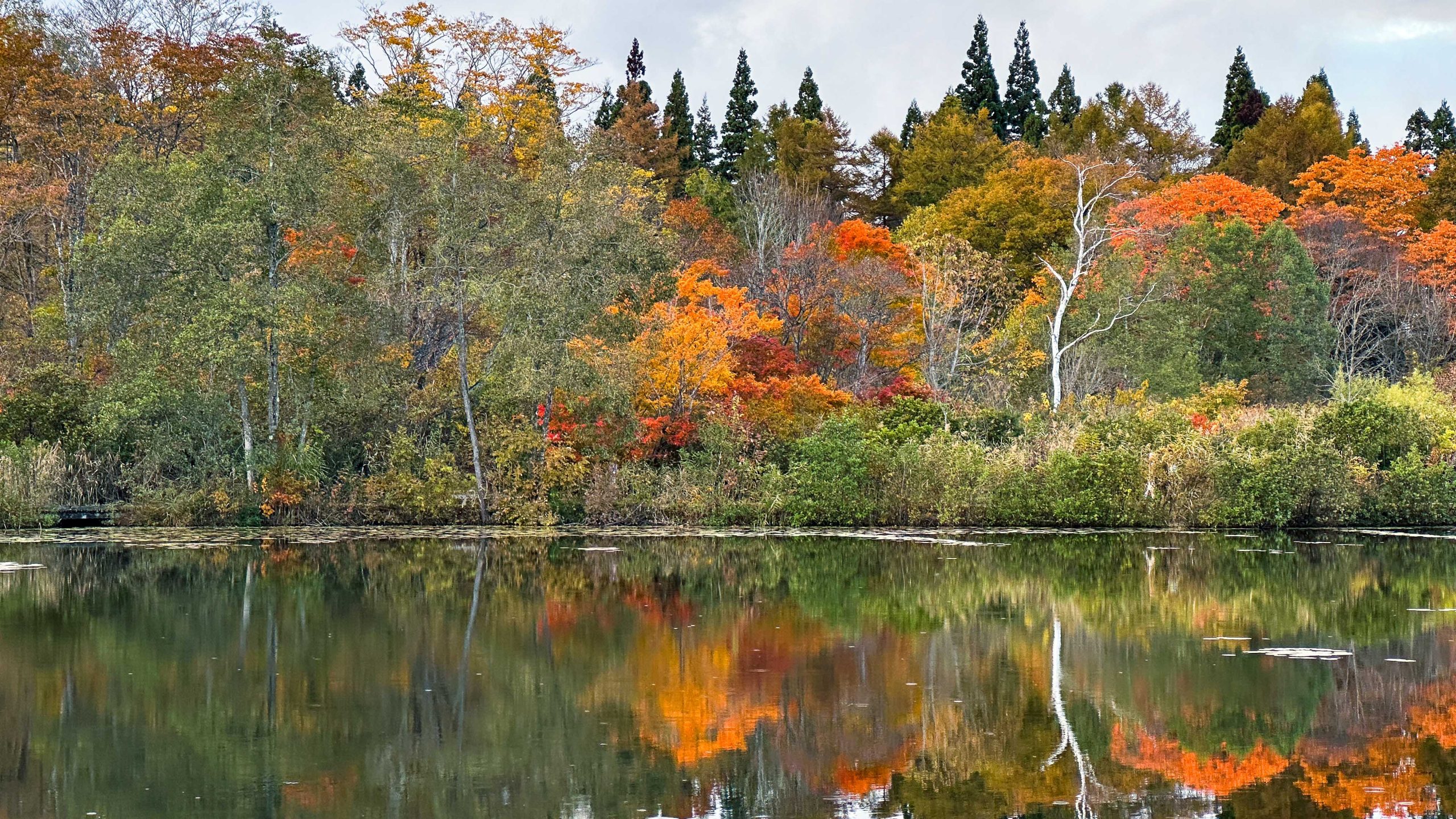
自然は永遠に成長し続けない。
植物はある時点で成長を止め、そこから成熟の時間を生きる。
暮らしもまた同じだろう。
家を持つこと、借りること、あるいは手放すこと。
それぞれに、その人の時間と必然があり、どれも幸福のかたちたりうる。
樹木は限りなく伸び続けることを目指さない。
やがて枝を止め、花を咲かせ、葉を落とし、静かに循環する。
私たちはその大きな輪の中で、「成長」という一場面だけを見つめてきたのではないか。
成長もまた、変化の一相であり、持続のリズムの一部にすぎない。
人の暮らしもまた、そのリズムの中でこそ深まるのだと思う。
建築は「変化」を包み込む器である。
新築や性能の向上だけでなく、時間の経過を受け入れること。
木の色の変化を、劣化ではなく“成熟”として見る感性。
そうした価値観の転換が起きてるように思う。
幸福と成長は、必ずしも一致しない。
経済の成長が止まり、社会の価値観が日々変化する今、
家づくりもまた、終わりのあるすごろくから、終わりのない物語へと向かうべきだろう。
つくることだけに執着せず、暮らしそのものを肯定する家。
「成長しなくても、幸福でいられる」——
その静かな確信を、私は信じたい。
Since the Industrial Revolution, growth and happiness have long been believed to mean the same thing.
Higher, faster, richer — work hard, and you will be rewarded; advance, and happiness will follow.
This belief has been one of the great narratives of modern society.
Economies expanded, technologies evolved, and both nations and individuals marched forward under the banner of “growth.”
Yet today, we may be standing at the turning point of that story.
Our economies have matured, populations are declining, and technology has advanced to its limits.
Life has become more convenient, but behind that convenience, time has slipped away and loneliness has grown.
The desire for “more” and “better” often exhausts us.
We have built a society that fears stagnation and feels shame in standing still — and somewhere along the way, we came to believe the equation growth = happiness.
The first assignment I was given in university was to design a chair made of wood.
The theme was “An 80-Year Chair.”
How can time — eight decades of it — be embedded in design?
Even now, I cannot say I fully understand that question.
But I still remember one line in the brief: “Human beings grow, and they also decline.”
It struck me deeply.
Of course, it is an obvious truth — we grow and we age, inseparably.
Yet at that time, I lacked the sensibility to accept decline as part of life’s natural rhythm.
Perhaps I was already afraid of anything that did not “improve.”
Growth and decline are both forms of change, parts of the same continuum.
The world of housing, too, has lived within this myth of growth:
bigger houses, newer houses, higher performance.
Take out a loan, buy land in the suburbs, aim for the final square on the “housing board game.”
The ideal of a life that must always advance has long shaped our sense of success.
But when we stop and think — must we really wait until the end of that game to be happy?
And when we finally reach it, does happiness truly arrive?
There can be happiness in a rented home.
There can be fulfillment in a small room.
Within limited space, we find creativity, feel the seasons, and live time that fits our own measure.
There is a quiet joy that comes not from expansion, but from maturity —
a happiness that does not depend on growth.
Nature does not grow endlessly.
Plants reach a certain height, then enter a time of stillness, of ripening.
So too, our lives and our dwellings.
Owning, renting, or even letting go of a home — each holds its own necessity, its own rhythm, and each can be a form of happiness.
A tree does not seek to grow forever.
It stops, blossoms, sheds its leaves, and begins again — a gentle cycle.
We, perhaps, have been staring only at one moment in that great circle — the moment of growth.
Growth itself is only one phase of change, one pulse in the rhythm of continuity.
Human life, like nature, deepens only when it flows within that rhythm.
Architecture, then, is a vessel that holds change.
Not only the act of building anew or improving performance,
but the acceptance of time — the patina of wood, the aging of materials — not as deterioration, but as maturity.
A quiet shift in values seems to be taking place.
Growth and happiness are not the same.
As economic expansion slows and social values transform,
perhaps the making of homes, too, must evolve —
from a race with an ending to a story without one.
A house that does not chase completion, but affirms the life already within it.
To believe that we can be happy without growing —
that quiet conviction, I wish to keep believing in.